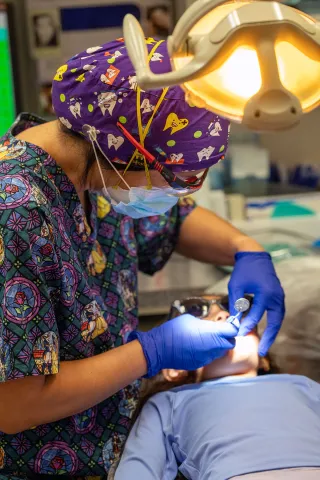
When a child has a cavity, a pediatric dental filling may be recommended to restore the tooth and help prevent the decay from getting worse. Uchida Pediatric Dentistry focuses on gentle communication, parent education, and care that is appropriate for children.
Why Baby Teeth Sometimes Need Fillings
Baby teeth help children chew, speak, and hold space for permanent teeth. Treating decay in baby teeth can help reduce pain, infection risk, and future dental complications.
What Parents Can Expect
- A clear explanation of the tooth concern and treatment options
- Child-friendly language before and during treatment
- Guidance for home care after the appointment
- Prevention recommendations to reduce future cavities
Related Services
For prevention and early detection, see routine dental cleanings and exams, fluoride treatment, and dental sealants.
Preparing for the visit
If a child may need a filling, bring notes about pain, sensitivity, sleep disruption, or eating changes and tell the office when the symptoms began. The dentist will review the tooth and discuss appropriate options with the parent or guardian before treatment. The visit may include an examination and imaging when needed to understand the affected tooth. Recommendations can depend on the tooth involved, the extent of the concern, the child’s dental development, and comfort needs. Families can also share anxiety, sensory, or communication needs in advance so the team can plan a more comfortable and predictable appointment. Parents are encouraged to ask about preparation, aftercare, and when to call with a concern.
After the appointment
Before leaving, parents can ask the dentist to summarize the findings, home-care steps, and recommended timing for the next visit. Follow the individualized instructions provided for the child, including any guidance about eating, drinking, brushing, flossing, discomfort, or activity. Keep the office phone number available and call if a new symptom appears or if something about the recovery or daily routine is unclear. Ongoing preventive visits give the dental team an opportunity to monitor development, review habits, and adjust recommendations as the child grows.